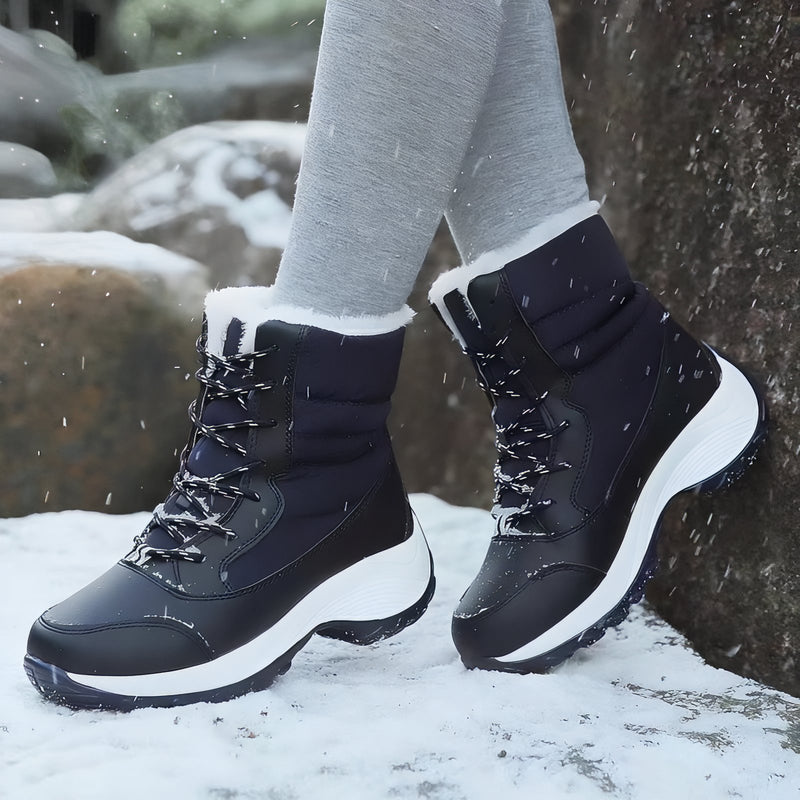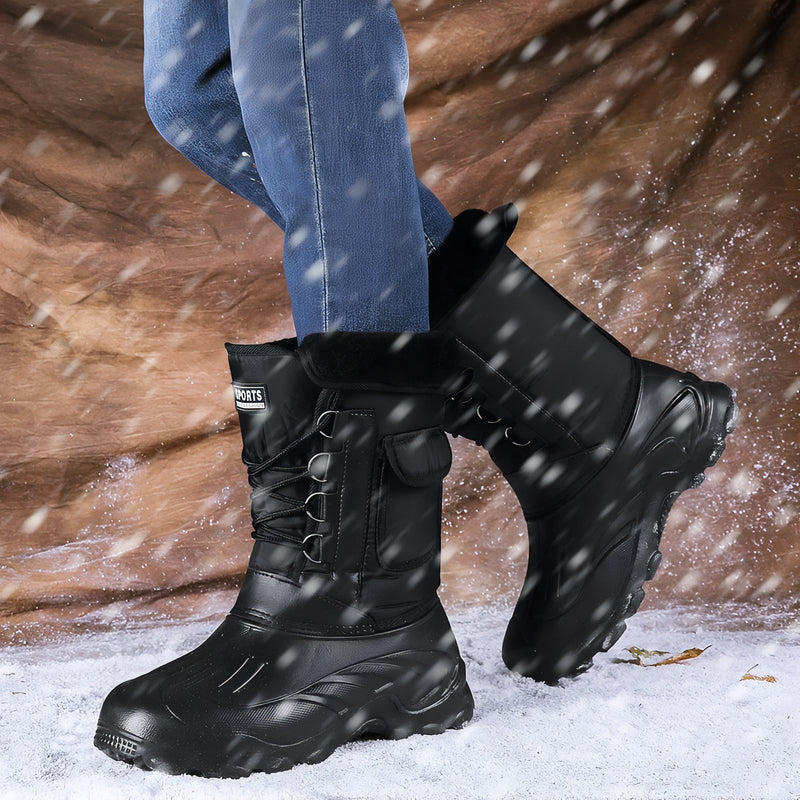
Snow Boots

When the cold and snow set in, your feet need warmth and protection. The warm snow hiking boot insulates against the cold, blocks out moisture and grips on frozen ground, so you can walk in the mountains in winter without getting cold feet. Here's how to choose the right one.

A boot built for cold and snow

The warm snow hiking boot is designed for winter and snowy mountain conditions: insulating lining keeps your feet warm, a waterproof membrane blocks out melting snow, and a grippy sole ensures traction on frozen, slippery ground. Walking warm and safe in cold weather completely transforms how much you enjoy a winter outing.

Warmth and insulation

Thermal insulation is the key criterion: good lining retains heat even in bitter cold. A high-cut upper protects the ankle from snow, and effective lacing keeps the cold from creeping in. Pair with warm hiking socks: insulated boots plus technical socks make all the difference in winter.

Waterproofing and grip

Melting snow means wet feet - unless your boots are waterproof and properly fastened to keep your feet dry. On frozen ground, a deep-lugged sole keeps you steady, and adding removable crampons boosts your grip on ice. Men's and women's models sit side by side in our hiking and trekking boots collection.

When should you wear them?

Save the warm snow boot for winter, snowy mountains and walks in bitter cold. For the other three seasons, a classic breathable boot is enough and weighs less. Properly equipped, you can enjoy winter landscapes without suffering from cold feet. On snowy outdoor terrain, grip matters just as much as warmth: a good sole, warm and waterproof, keeps every winter activity safe, including on low, icy stretches where water freezes over.

To complete your kit: our women's snow and extreme cold hiking boots.

Also worth exploring: our men's snow and extreme cold hiking boots.

⇪

Frequently Asked Questions

How to keep your feet warm on winter hikes?

Go for an insulated, waterproof boot with a high ankle cuff and warm technical socks. Avoid lacing too tightly (good circulation keeps your feet warm) and keep your feet dry: moisture is the number one cause of cold feet.

Does a snow boot need to be waterproof?

Yes : slush gets you wet fast, and damp feet get cold feet (literally). A waterproof membrane and a good closure keep your feet dry - essential if you want to stay warm in winter conditions.

Warm snow boots for men or women?

Both exist, with a fit suited to every foot shape. What really matters is insulation, waterproofing and grip ; choose the version that hugs your foot best for optimal comfort in seriously cold conditions.

Can you fit crampons to these boots?

Many winter models accept removable crampons to boost grip on ice and hard-packed snow. Check compatibility and sole stiffness if you're planning any icy stretches.

  • Responsive customer service

    Responsive customer service

    6/7 days by email

  • Free delivery

    Over £50*

  • 100% Secure

    PayPal / MasterCard / Visa

1 of 3